Sustainable Construction: An Overview of Certifications

In our monthly podcast “SHOWROOM – an OTTO WULFF Podcast,” our experts Sophie Fiedler and Henriette Breede discussed this very topic. Together with Erik Schulze, the two discuss the biggest advantages of the certifications and the challenges our teams face in their day-to-day work on construction sites.
Click here to listen to the third episode of: SHOWROOM – an OTTO WULFF Podcast
What are sustainability certifications in the construction industry?
A sustainable building certification is independent proof that a building meets specific sustainability requirements. This involves evaluating, among other things, environmental, economic, and social aspects throughout the building’s entire life cycle. To ensure objective comparability, the system provider establishes a standardized rating system as the basis. The assessment and issuance of sustainability certificates are carried out by external, independent certification bodies.
What sustainability certifications are available in the construction industry?
In Germany, the QNG, BNB, DGNB, NaWoh, and BNG systems play a particularly important role in building certification according to sustainability standards. Internationally, the LEED certification process from the U.S. and BREEAM from the U.K. are the most widely recognized.
Although they pursue similar sustainability goals, the systems differ—in some cases significantly—in their structure, assessment methodology, and scope of application. While QNG and BNB are closely tied to government regulations and are often used in the context of subsidy programs such as the Federal Subsidy for Efficient Buildings (BEG), DGNB, NaWoh, and BNG offer more flexibility and are frequently used for voluntary certifications.
What criteria apply to sustainability certifications?
The certification process covers the planning, construction, and operation of a sustainable building. It is based on a holistic assessment approach that spans the entire life cycle.
While this assessment follows similar basic principles across many systems, it differs in structure, weighting, and level of detail depending on the certification.
The assessment criteria for sustainable construction include:
-
Ecology: carbon footprint, resource consumption, and environmental impacts throughout a building’s entire life cycle
-
Economics: Life-cycle costs and the long-term economic viability of a building
-
Sociocultural quality: user comfort, quality of stay, health, and accessibility
-
Technology: Energy efficiency, technical quality, and ease of maintenance
-
Process quality: planning reliability, quality of execution, and transparent processes
OTTO WULFF: Sustainability Certification in Practice
Sustainability certifications are now an integral part of many construction projects and reflect the increased requirements for planning, construction, and operation. Our team at OTTO WULFF has adapted to these developments and supports projects in addressing these requirements at various levels.
In recent years, our team has managed approximately 50 construction projects (either currently underway or already completed) that have received building certifications based on sustainability standards.
These projects are implemented in accordance with established certification systems such as DGNB, LEED, QNG, the HafenCity Hamburg Eco-Label, NaWoh, and BNB. In residential construction, BNG certification will also gain importance in the future.
At OTTO WULFF, support is provided by an interdisciplinary team with experience in sustainable planning and construction. This includes, among others, our DGNB auditor and DGNB consultants, specialist engineers for sustainable construction and renovation, as well as qualified construction managers. They support projects throughout all phases—from planning and implementation to certification.
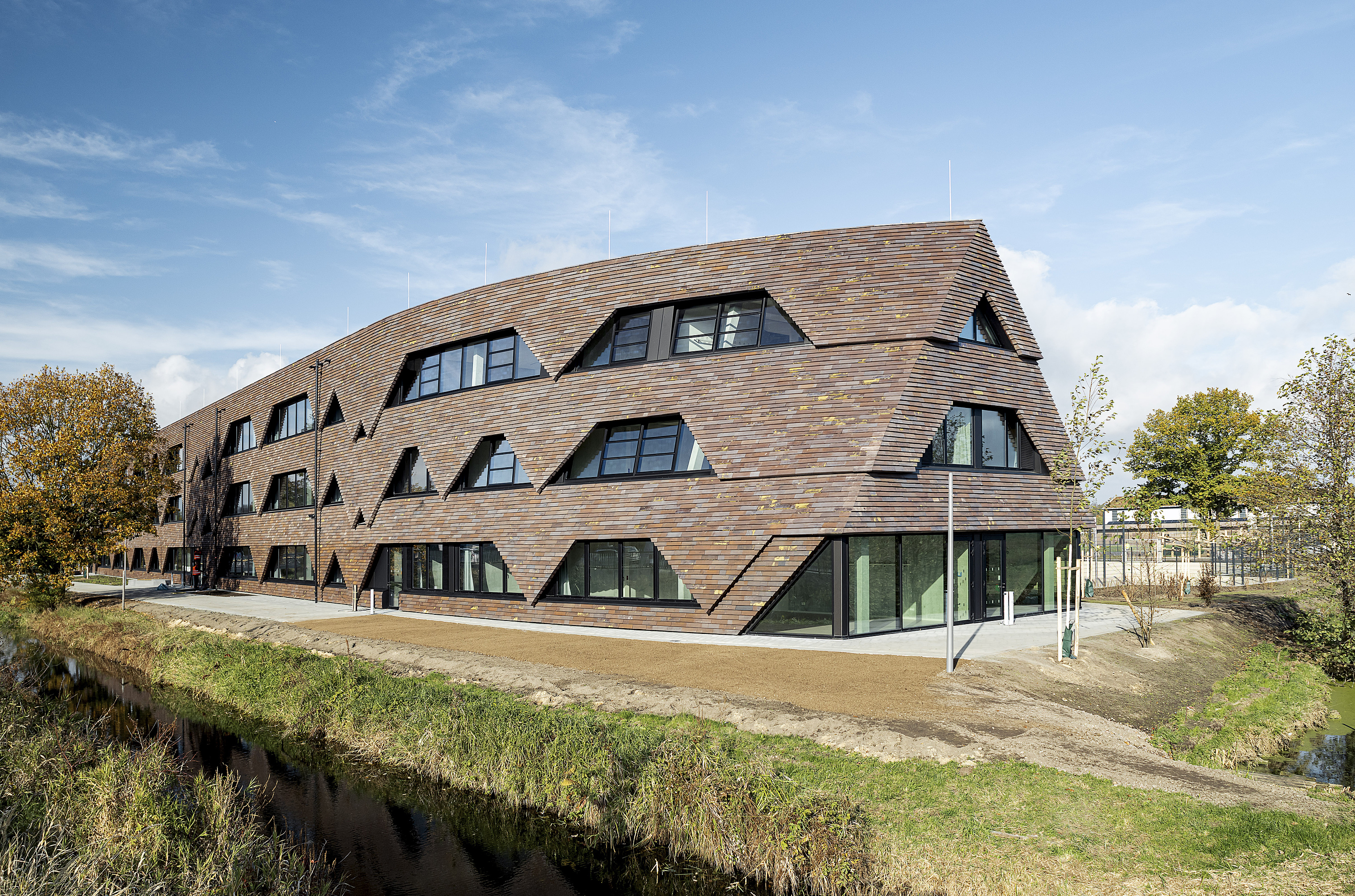
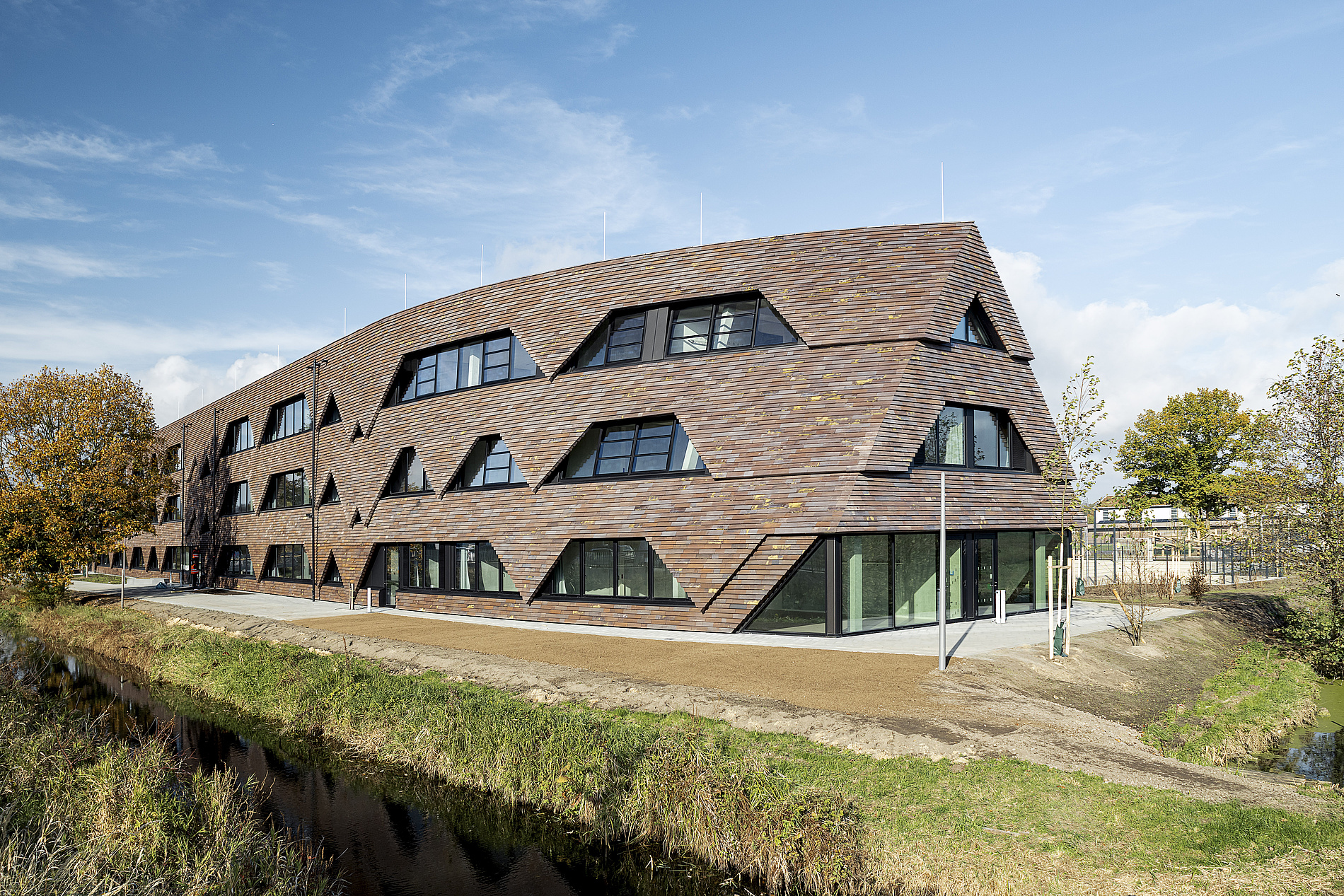
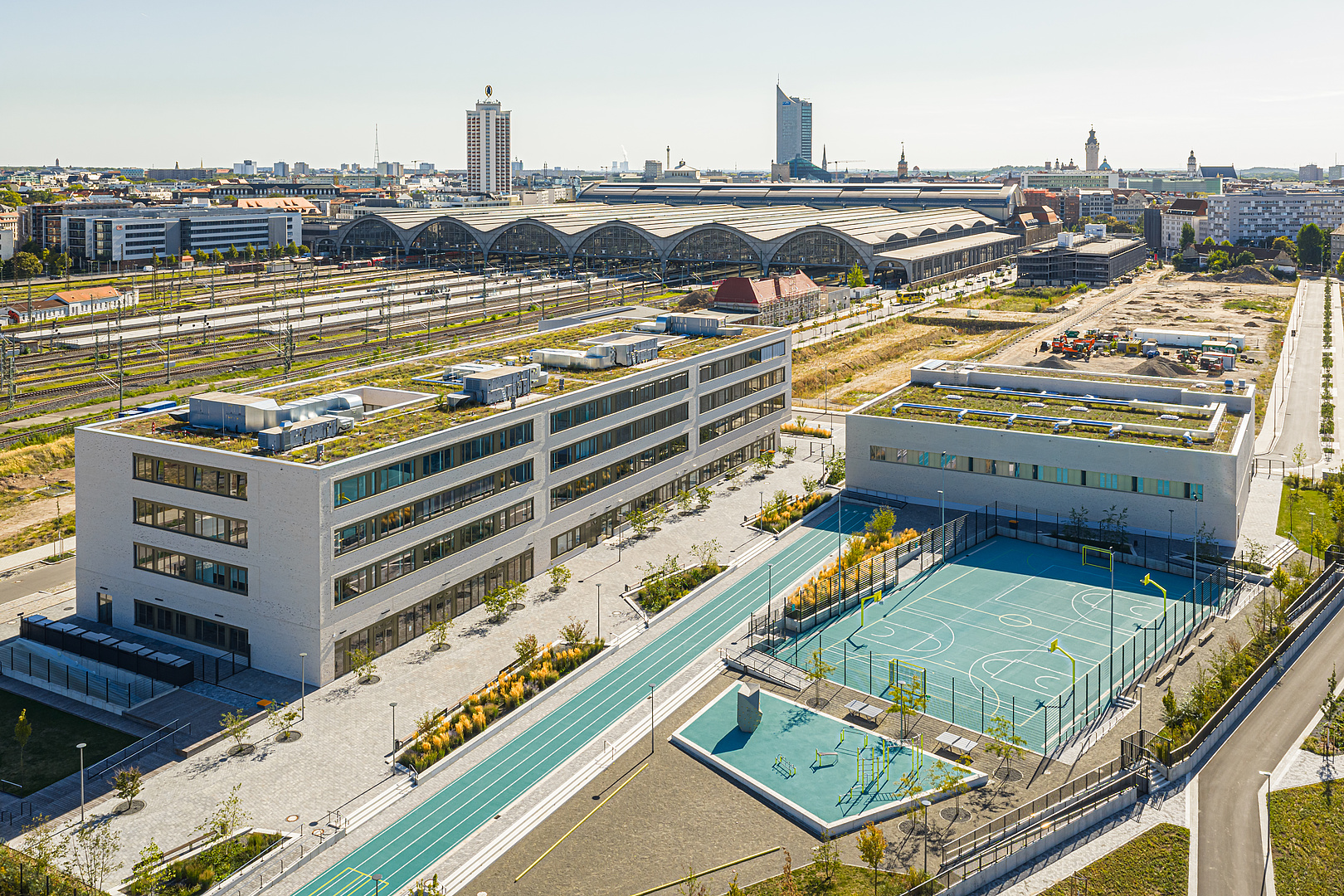
Among the projects already certified is the large-scale “Kolbenhöfe I” project in Hamburg-Ottensen, where Building Plot 8 (music school) was certified with DGNB Gold, as was the Kirchwerder neighborhood school, which also received DGNB Gold certification. The “Löwitz-Quartier” in Leipzig also received a DGNB pre-certification in Platinum. In Berlin, the “Hey Charlottenburg” project is also under construction and is scheduled for completion by 2027; it will be certified according to NaWoh 3.1 in combination with QNG+.
You can find additional examples of construction projects with building certifications based on sustainability standards in our Sustainability Report on pages 9 and 10.
Interview with Silke Witt: Sustainability Certifications in the Construction Industry and at OTTO WULFF

What does sustainable building mean to you?
To me, sustainable construction means well-thought-out planning and implementation tailored to the site. The focus is on a building that is as simple as possible, with a clear, optimized structural framework and a minimal use of technical components.
Stable operation with minimal control requirements and as little susceptibility to malfunctions as possible is also crucial.
Long-term usability factors such as flexibility and future-proofing are more important than minimal reductions in CO₂ emissions during manufacturing. Every project comes with its own set of conditions, and that is precisely what makes sustainable construction diverse and challenging.
There is therefore no universal definition of “sustainability.”
Which sustainability certifications currently play the biggest role in Germany, and how do they fundamentally differ?
Until now, the DGNB certificate was the most common label, but with the new 2023 version and its stricter requirements, we’re seeing a decline in its use. Instead, NaWoh and BiRN are gaining importance, primarily due to more moderate requirements and significantly less documentation effort. This is because it is often not the material costs alone that make a construction project more expensive, but rather the effort required to provide proof.
In principle, all systems pursue the same sustainability goals but place different emphases. NaWoh, for example, places great importance on the quality of apartment floor plans. If these requirements deviate from market demands, builders often opt for DGNB or BiRN instead.
The DGNB also requires compliance with binding minimum criteria—such as accessibility standards per DIN 18040—as well as detailed material documentation. Other systems sometimes use simplified documentation in these areas.
What are the benefits of certification for developers, investors, and building users? What motivates them to go through this extra effort?
In practice, the motivation is usually economic in nature: either due to funding requirements or better marketing opportunities. In my opinion, certifications are not pursued for purely idealistic reasons. This is not a negative thing, because it is possible to construct a sustainable building even without certification.
How is the appropriate certification selected?
For office buildings, the choice is heavily influenced by market demands and rentability—a lack of certifications can be a disadvantage here. In residential construction, on the other hand, the decision is usually directly linked to subsidy programs.
Here, one chooses from among the three possible certifications (DGNB, NaWoh, and BiRN) the one with the most flexible set of requirements and the least implementation effort. The cost of certification can quickly amount to several hundred thousand euros for larger projects and must be offset financially through subsidies.
What is the typical certification process?
As early as the very initial planning phase, the building owner should engage an auditing firm to work closely with the coordinating architect to determine which sustainability criteria should be implemented in the project. These criteria have a direct impact on planning, construction, and building systems.
Making adjustments later on is often possible only at great expense. Furthermore, the criteria influence the work of those involved in the planning process and must be clearly defined early on and continuously monitored.
A crucial factor is deciding early on to pursue certification—ideally starting in Service Phase 2. Only then can, for example, comparisons of design alternatives be incorporated into the evaluation.
The responsibilities of the planners, construction companies, and the building owner are set forth in the so-called specifications. In practice, however, ambiguities regarding responsibilities or timelines often arise, which is why close communication from the outset is essential. This is where our support as the project’s certification department begins.
Fundamentally, it is important for the building owner to understand that obtaining a certificate is not simply a matter of hiring an auditor. Additional documentation, provided by the planners or other external experts, must be commissioned.
What developments do you expect in the coming years in the field of sustainability certifications?
For office buildings, the importance of certifications is strongly influenced by requirements from the financial sector—such as those from banks, investors, and fund ratings for sustainable real estate.
In residential construction, certifications are likely to remain closely tied to attractive subsidy programs.
How is work at OTTO WULFF changing when it comes to certifications?
For us as a general contractor, fulfilling the requirements of a certification is an additional contractual obligation that affects every department: engineering, the tendering department, procurement, and finally the construction site and its associated yard.
The greatest burden falls on the construction sites, especially in the final phase of a project, when documentation must be submitted in a bundled manner.